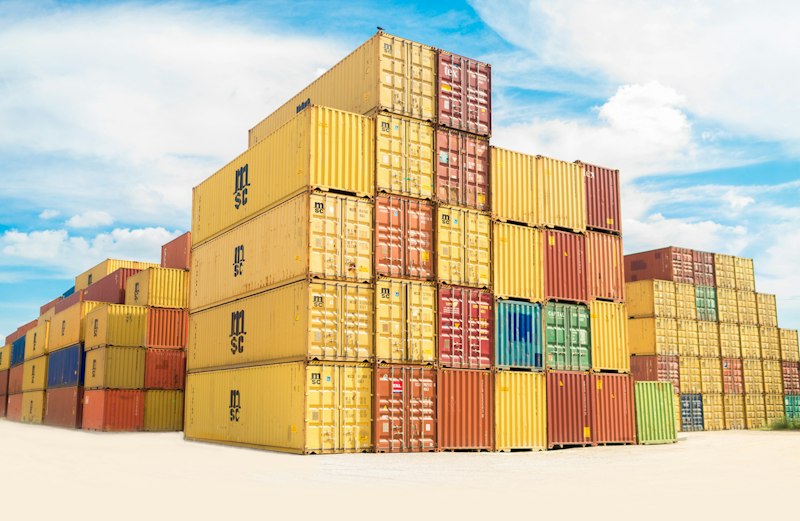
The global trade environment has become increasingly unpredictable, with tariff policies shifting rapidly based on political considerations and international relations. Apple, with its massive supply chain spanning dozens of countries, faces particular exposure to these trade uncertainties. The company's strategic response—diversifying manufacturing away from concentrated locations—has proven remarkably prescient.
The Supreme Court's February 2026 decision striking down the Trump administration's proposed 47% tariffs on Chinese goods represented a significant relief for Apple and the broader technology industry. However, the decision did not eliminate trade uncertainty entirely; new 10% global tariffs remain threatened, and Apple's management recognizes the necessity of maintaining geographic diversification as protection against future trade disruptions.
Apple's payment of $3.3 billion in tariffs in the previous year demonstrated the real economic impact of trade tensions on even the most profitable technology companies. This substantial expense served as a catalyst for accelerating diversification investments that Apple had previously planned over longer timeframes. The company rapidly expanded manufacturing partnerships with Indian and Vietnamese producers.
India has emerged as Apple's primary alternative to Chinese manufacturing, with half of U.S. iPhone production now sourced from Indian facilities. This dramatic shift required substantial infrastructure investment, training programs for Indian manufacturing workers, and technology transfer agreements with local partners. The success of this initiative demonstrates the viability of manufacturing alternatives to China.
Vietnam has become Apple's secondary manufacturing hub, handling production of various components and devices beyond iPhones. The country's proximity to other Asian supply chain nodes, existing manufacturing expertise, and favorable trade relationships position Vietnam as an ideal diversification destination. Expanded facilities in Vietnam provide additional capacity to absorb production disruptions.
The geographic distribution of manufacturing reduces Apple's vulnerability to country-specific shocks. If trade tensions escalate with China, Apple can shift production to India or Vietnam. If Indian workers demand higher wages, Apple has Vietnamese alternatives. This geographic diversification provides resilience against supply chain disruptions that would have previously threatened production continuity.
Supply chain transparency has improved as Apple works with multiple contract manufacturers across different countries. This transparency allows real-time monitoring of production metrics, quality standards, and labor practices. Apple's commitment to responsible manufacturing and environmental standards applies consistently across all manufacturing locations.
The diversification strategy also addresses labor cost advantages. While India and Vietnam generally offer lower labor costs than China, the primary motivation is reducing exposure to trade policy risks rather than pure cost optimization. Apple's ability to shift production between locations provides negotiating leverage with any individual government threatening unfavorable trade policies.
Consumer demand for iPhones remains strong, providing Apple with sufficient sales volume to support manufacturing investments in multiple countries. The company's ability to quickly ramp production in new facilities demonstrates the standardization of Apple's manufacturing processes and quality control systems.
Investors have responded positively to Apple's supply chain diversification, viewing it as prudent risk management that protects earnings from trade policy volatility. The strategy also positions Apple favorably relative to competitors who have been slower to diversify away from China, creating a competitive advantage if trade policies become more restrictive.
Looking forward, Apple's supply chain strategy will likely continue emphasizing geographic diversification and manufacturing flexibility. The company may establish additional facilities in countries with favorable trade relationships or develop capabilities for rapid production shifting in response to emerging trade challenges.
Apple's experience provides lessons for other technology companies regarding supply chain resilience. By recognizing that geographic concentration represents substantial risk, Apple took preventive action that positioned the company favorably when trade policy became turbulent. Other companies would be wise to adopt similar diversification strategies.
The threat of new global tariffs remains, and Apple will continue monitoring trade policy developments closely. However, the company's diversified manufacturing footprint provides meaningful protection against future trade disruptions, ensuring that production continues smoothly regardless of evolving trade policies.