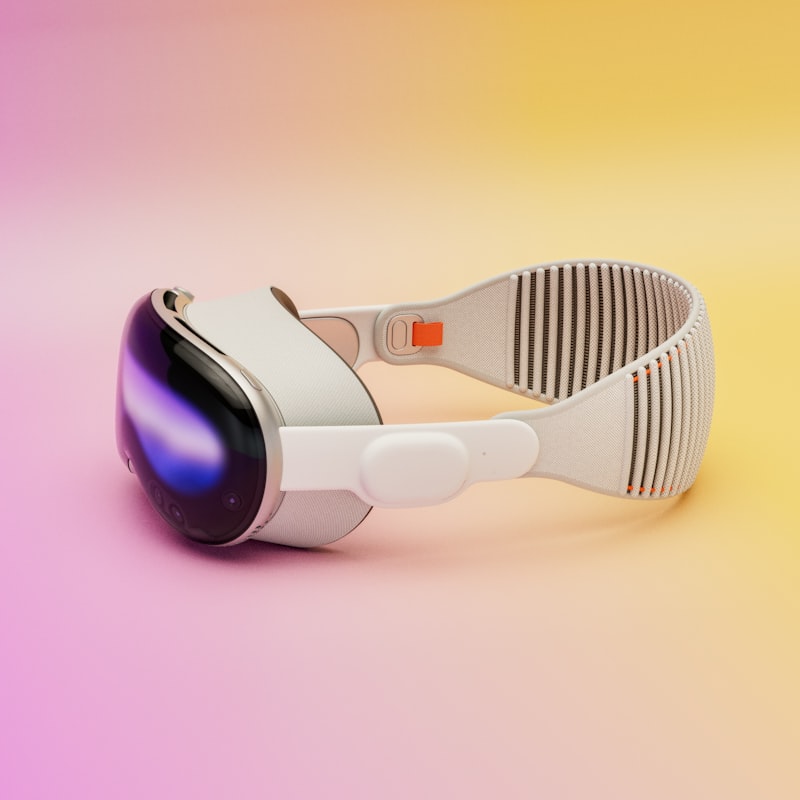
Apple's Vision Pro represents the company's bold bet on spatial computing as the next major computing paradigm. Despite slower-than-anticipated consumer adoption, Apple continues refining the device with performance improvements and features that enhance the user experience for early adopters and emerging use cases in professional and creative domains.
The M5 chip upgrade brings meaningful performance improvements to Vision Pro. The 10% increase in pixel density makes the display sharper and more immersive, reducing the screen-door effect that some users noticed on the original H1 model. The upgraded display processing ensures that the visual experience becomes increasingly indistinguishable from physical reality.
120Hz refresh rate represents a critical improvement for spatial computing. Higher refresh rates reduce motion sickness and simulator effects that some users experience with traditional 60Hz displays. The 120Hz Vision Pro allows developers to create more comfortable immersive experiences that users can engage with for extended periods without fatigue.
The Dual Knit Band addresses comfort concerns that hindered broader Vision Pro adoption. The improved headband distributes weight more evenly across the user's head, reducing fatigue during extended sessions. Comfort improvements are essential for commercial and enterprise applications that require sustained use throughout workdays.
visionOS 26.4 introduces foveated streaming technology, a breakthrough that enables high-quality streaming of rendered content by leveraging eye-tracking. The system renders high-detail graphics only where the user is looking, reducing rendering demands for peripheral content. This technology enables more complex scenes with richer graphics without requiring prohibitive computational power.
Consumer demand for Vision Pro has fallen short of Apple's initial expectations, with early reports suggesting sales volumes well below the company's internal forecasts. Rather than abandoning spatial computing, Apple is pragmatically shifting focus toward professional and creative applications where the device's capabilities provide genuine productivity improvements and justify the premium price.
Enterprise applications for Vision Pro are expanding, with adoption in medical training, architectural visualization, product design, and collaborative remote work scenarios. Professional users appreciate Vision Pro's capabilities for complex spatial visualization and find the investment justifiable for specialized applications.
Apple's commitment to Vision Pro refinement despite consumer market challenges demonstrates the company's long-term perspective on technological paradigm shifts. The company recognizes that spatial computing will eventually become mainstream, and maintaining a leadership position requires continued innovation and refinement even during early adoption phases.
Developer support remains strong, with increasingly sophisticated applications emerging that fully leverage spatial computing capabilities. Developers are learning to create experiences optimized for spatial interfaces rather than simply porting existing applications to Vision Pro.
Future Vision Pro generations will likely incorporate lighter weight, extended battery life, more compact form factors, and improved comfort features that address barriers to mass market adoption. Apple's willingness to continue investing despite current market challenges suggests confidence in spatial computing's long-term potential.
The Vision Pro M5 upgrade positions Apple as the dedicated innovator in spatial computing, willing to invest substantially in a market that competitors have abandoned or deprioritized. This commitment may eventually reward Apple with dominant market position as spatial computing becomes increasingly central to computing experiences.