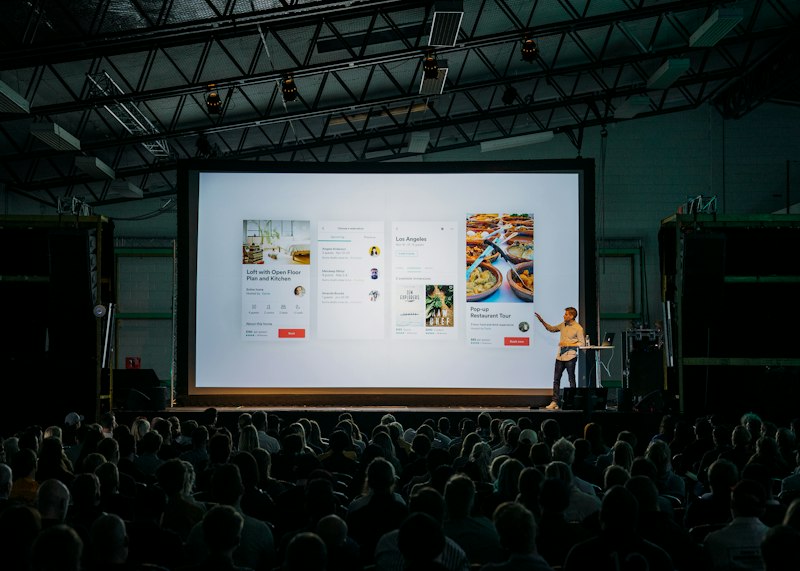
WWDC 2026 promises to be a watershed moment for Apple's software and services ecosystem. The conference represents the company's opportunity to demonstrate how new technologies, refined design philosophies, and AI capabilities are advancing the platforms that billions of users rely on daily.
iOS 27 will be the star of the show. Rumors suggest the operating system features a refined visual design dubbed "Liquid Glass," incorporating subtle transparency effects, enhanced depth perception, and more sophisticated animations. This evolution builds upon iOS 26's design language while incorporating lessons learned from Vision Pro's spatial interface paradigms.
The Siri 2.0 chatbot debut represents the most significant Assistant update in years. On-screen awareness, conversation memory, personal context understanding, and integration with Google's Gemini technology position Siri as a genuinely intelligent companion rather than a voice command processor. The presentation should demonstrate Siri's capabilities through impressive demos that showcase natural dialogue and contextual understanding.
Foldable iPhone support in iOS 27 signals Apple's preparation for the iPhone Fold's December 2026 launch. Apple will likely showcase how apps adapt to different screen states, how the crease is handled in user interfaces, and how developers can optimize experiences for both standard and foldable form factors. Developer APIs for fold detection and responsive layouts will be crucial.
AI-powered Safari search represents Apple's integration of on-device machine learning with web browsing. Rather than sending search queries to Google, users could leverage Apple's AI capabilities to understand queries semantically and provide more relevant results. This functionality demonstrates Apple's commitment to privacy-first AI that doesn't require uploading personal information to cloud services.
Extensions framework enhancements will enable deeper third-party AI integration. Developers will gain new capabilities to integrate rival AI assistants like ChatGPT, Claude, and others into the Siri interface. This pragmatic openness demonstrates Apple's confidence that Siri remains the preferred default while acknowledging user preferences for alternative AI platforms.
Developer reception remains critical for WWDC success. Apple will emphasize how new APIs, frameworks, and design guidelines help developers create better apps faster. Performance improvements, new health integration capabilities, and expanded AI frameworks will appeal to developers seeking to differentiate their applications.
Accessibility improvements typically receive significant WWDC attention. Apple is expected to announce new features helping users with disabilities interact with devices more effectively. Voice control enhancements, improved visual accommodations, and broader accessibility APIs should feature prominently in the presentation.
Privacy enhancements remain fundamental to Apple's positioning. Expect announcements on new user privacy protections, clearer data transparency, and stricter controls preventing apps from accessing sensitive information without explicit user consent. These features differentiate Apple's approach from competitors and resonate strongly with privacy-conscious users.
The keynote will likely showcase the breadth of Apple's ecosystem, demonstrating how iOS 27, macOS, watchOS, tvOS, and visionOS work together seamlessly. Cross-platform functionality, handoff improvements, and synchronized features create powerful network effects that encourage users to stay within Apple's ecosystem.
Developer lottery selection adds exclusivity to the in-person conference, with thousands competing for limited attendance slots. Virtual attendance options ensure global developer participation, allowing worldwide App Store developers to follow announcements in real-time regardless of geographic location.
The broader technology industry watches WWDC closely to gauge Apple's strategic direction, competitive positioning, and technological innovation. Announcements at this conference often set industry trends that competitors subsequently chase, reinforcing Apple's position as the technology leader that others follow.
Beyond the keynote, technical sessions, labs, and one-on-one developer consultations provide opportunities for application creators to deep-dive into new APIs and optimize their apps for upcoming operating systems. These sessions often reveal important implementation details that keynote presentations necessarily gloss over.
WWDC 2026 promises to be transformative, positioning Apple's ecosystem for the next era of AI-enhanced computing while maintaining the company's foundational commitments to privacy, design excellence, and user-centric innovation.